Every Launch Is a Fundraiser Now: How Creator Codes Became Gaming's Invisible Sales Force

Photo: Карина Козырева (Сычёва), CC BY-SA 4.0, via Wikimedia Commons
You booted up the new season at midnight. You watched the cinematic. You dropped $25 on a battle pass. And somewhere in the checkout flow, you typed five letters — some streamer's tag — because a guy with 40,000 viewers told you it 'helps the channel.'
Congratulations. You just participated in the least discussed economy in gaming.
The Code Is the Product
Creator codes started as a feel-good feature: toss your favorite streamer a cut when you buy skins, everybody wins. Fortnite pioneered it, and for a while it was genuinely sweet — a tip jar bolted onto a video game.
Then every publisher on Earth noticed the numbers and the tip jar became the business model.
Look at the launch calendar now. Call of Duty runs 'support-a-streamer' bundles. Apex has shrouds and his own currency. Valorant, Marvel Rivals, every extraction shooter that got funded last year — they all ship with creator programs baked in from day one. It's not a feature anymore. It's infrastructure.
Who's Actually Getting Paid
Here's the part nobody puts in the promo tweet: the splits are murky by design. Epic's program is famously transparent-ish — creators get a documented percentage of V-Bucks spent. Most other publishers? Good luck finding a public rate card.
Industry chatter puts typical cuts anywhere from 5% to 30% depending on tier, exclusivity, and how badly the publisher wants that creator's audience. The top of the pyramid — the guys with seven-figure contracts — aren't riding code commissions at all. They're on flat deals. The code is the visible tip of a much bigger iceberg of sponsored streams, launch-day exclusives, and 'early access' agreements that are basically ads with gameplay attached.
So when a creator says 'use my code, it really helps,' they're not lying. They're just not telling you the whole org chart.
The Hype Economy Runs on This
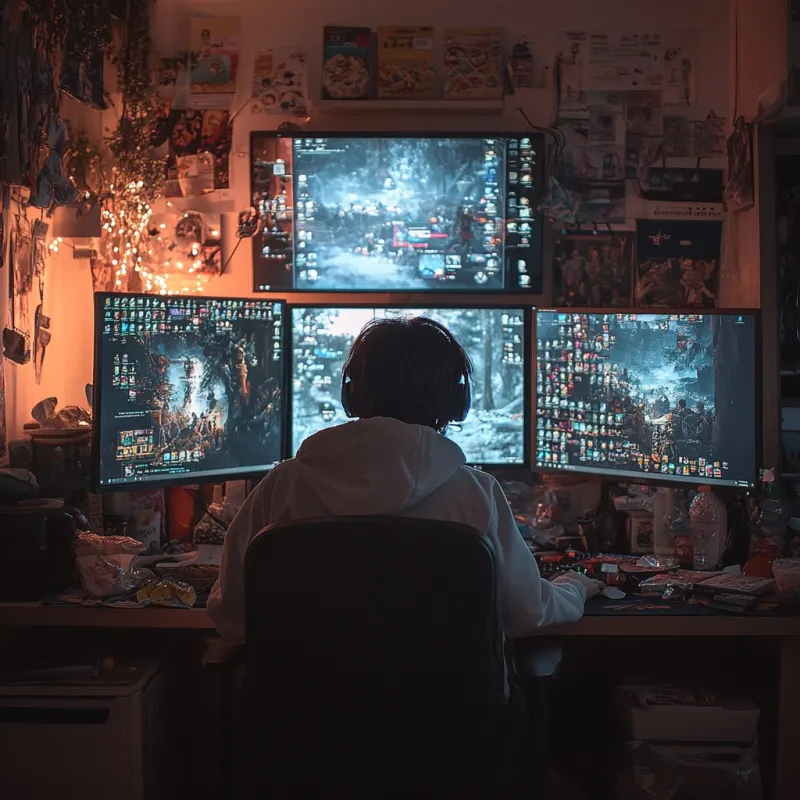
Think about how a big game launches in 2026. It's not trailers anymore — trailers are table stakes. It's a synchronized flood: 200 partnered streamers going live at the same hour, each with a code, a bundle, or a drop. The algorithm reads that wall of simultaneous content as organic enthusiasm. Chat reads it as 'everyone's playing this.'
That's the trick. The hype looks bottom-up, but a huge chunk of it is purchased top-down. You're not watching your favorite streamer discover a game — you're watching their contracted obligation to play it, monetized twice: once by the publisher, once by you.
What Do Players Actually Get?
Almost nothing, and that's the honest answer. Occasionally there's a cosmetic for using a code during an event. Mostly, the 'reward' is the warm feeling of supporting a creator — which, again, is real but asymmetric. You spent $70. They got a cut. The publisher got a sale plus a marketing impression. You got to feel like part of the team.
It's a loyalty program with better graphics. Airlines give you miles; publishers give you a glider skin and a parasocial pat on the head.
Is That... Bad?
Here's the uncomfortable nuance: this system funds a lot of mid-tier creators who'd otherwise be making nothing. Streaming is a brutal gig economy, and code revenue genuinely keeps lights on for thousands of smaller channels. If you like a creator and were going to buy the skin anyway, using their code is free money for them.
The problem isn't the tip jar. It's that the tip jar now shapes what games get made and which ones you hear about. When launch visibility is purchased through creator partnerships, games without marketing budgets — weird, interesting, risky games — drown before they surface. The hype economy doesn't reward the best game. It rewards the best-funded campaign.
Read the Receipts
You don't have to swear off creator codes. Just go in with open eyes:
- The code is an ad. Using it isn't neutral — it's participating in a paid campaign, even if it feels like a favor to a friend.
- Ask who's contracted. If a creator plays nothing but one game for three months, that's usually not love. That's a deal.
- Tip directly instead. Subs, donations, and merch give creators a bigger cut than almost any code program. If supporting them is the goal, skip the middleman.
The streaming tax isn't going anywhere — it's too profitable and too effective. But the next time a launch feels like the whole internet showed up at once, remember: somebody paid for that crowd. Maybe it was you.