Nobody Says GG Anymore: The Quiet Death of Gaming Friendships
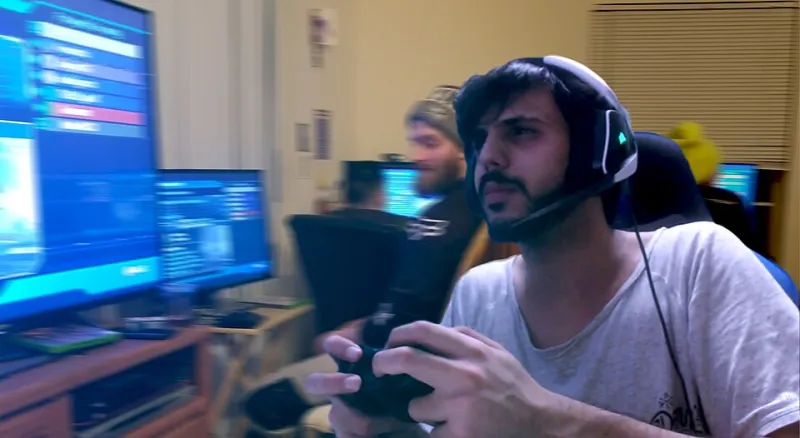
Photo: LondonWater, CC BY-SA 4.0, via Wikimedia Commons
Somewhere between the golden age of Halo 2 lobby trash talk and today's AI-curated matchmaking queues, American gamers quietly stopped making friends. Think about it: when was the last time you added a random teammate after a match? When was the last time someone added you?
If you're drawing a blank, you're not alone. The Looking For Group era — the forum posts, the clan recruitment threads, the kid on Xbox Live asking if you "want to play something sometime" — is basically extinct. And honestly? That might be the biggest untold story in gaming right now.
The NPC-ification of Your Teammates
Modern multiplayer is engineered for frictionless anonymity. Matchmaking drops you into a lobby with four strangers, the match ends, and the game politely yeets everyone back into the queue like none of it ever happened. There's no lobby to linger in. No post-game voice chat by default. No natural moment where a "yo, that clutch was insane, we should queue again" can happen.
"Games treat other players like disposable NPCs now," says Marcus, a 27-year-old from Ohio who used to run a 300-member Destiny clan. "You're a fill-in. A body to shorten the queue timer. Once your function is complete, the system moves on."
He's not wrong. Matchmaking optimizes for fast matches, not lasting connections. Every design decision — auto-mute, quick requeue, skill-based pairing that shuffles rosters every game — quietly tells you that the people you're playing with are furniture.
The Discord Server That Ghosted You
You know the pattern. You join a Discord server after a game launch. It's got 40,000 members, forty channels, and a #lfg channel moving at the speed of light. You post "anyone tryna run ranked tonight?" Your message sinks into the scroll like a stone. Nobody responds, or somebody does, plays two matches, and vanishes forever.
Community mods we talked to describe a brutal cold-start problem. "Big servers feel active but aren't," says Jess, who moderates a mid-size Valorant community in Texas. "Ninety percent of the members are lurkers. The actual social graph is like fifteen people who already know each other. Everyone else is standing in the corner of the party holding a red Solo cup."
Meanwhile, the classic structures of gaming community — clans, guilds, crews — have taken a hit too. Older games built progression around belonging. Your WoW guild wasn't optional; it was the raid lockout. Today's live-service games rarely require commitment to a group. Solo queue can hit max rank. Battle passes reward individual grind. The game never asks you to have friends.
Loneliness, But Make It Multiplayer
Here's the uncomfortable part: this mirrors the broader loneliness epidemic hitting young Americans. Surgeon General warnings about social isolation, third places disappearing, the whole deal. Gaming used to be a third place for a lot of people. Now, for many, it's just another solo activity with background noise shaped like other humans.
And nostalgia is doing a lot of lifting in these conversations. Ask any millennial gamer about their first online crew and watch their face change. The Iowa kid who met his best friend on Modern Warfare 2 in 2010 and flew to that friend's wedding last year. The college roommate group that formed in a League lobby and still does an annual camping trip. These stories aren't rare — they're universal among a certain generation. Which raises the question: what happened to the kids who should be making those memories right now?
The 2026 Playbook: Rebuilding Your Crew
Alright, doom section over. If you want actual gaming friends this year, the playbook exists. It just takes intentional effort in a way it didn't in 2010.
1. Go small or go home. Forget 40,000-member Discords. Look for servers with 50 to 500 people and active voice channels. In small ponds, your messages get seen and your presence gets noticed. That's how familiarity forms.
2. Be the regular, not the recruiter. Show up to the same community's game nights for a month straight. Consistency does the social heavy lifting for you. Nobody befriends a drive-by "anyone wanna play?" poster. Everybody befriends the person who's always in the voice channel at 9 PM.
3. Pick games with social gravity. Some games still force cooperation: survival crafters, extraction shooters with persistent squads, MMOs with actual group content. Choose titles where abandoning your teammates has a cost. Shared struggle is friendship fertilizer.
4. Say GG and mean it. Post-game compliments are criminally underused. "That flank was disgusting, what's your sens?" is a conversation starter. One in ten of those becomes a duo queue. One in ten of those becomes a friend.
5. Move it off-platform. The crew that survives is the crew that exists outside the game. Group chat, watch parties, the annual fantasy football league nobody takes seriously. Give the friendship somewhere to live when the game dies — because the game always dies.
GG Might Make a Comeback
Here's the optimistic read: the tools for connection are all still there. Discord didn't kill community; it just made low-effort community possible, and low-effort community turned out to be worth exactly what it costs.
The gamers who are lonely in multiplayer aren't broken — they're playing games that never asked them to stick around. The fix isn't a new feature. It's the oldest feature in gaming: showing up, saying GG, and queuing again tomorrow.
The LFG era might be over. The friendship era doesn't have to be.