One-Trick Nation: The Real Price of Marrying Your Main Game
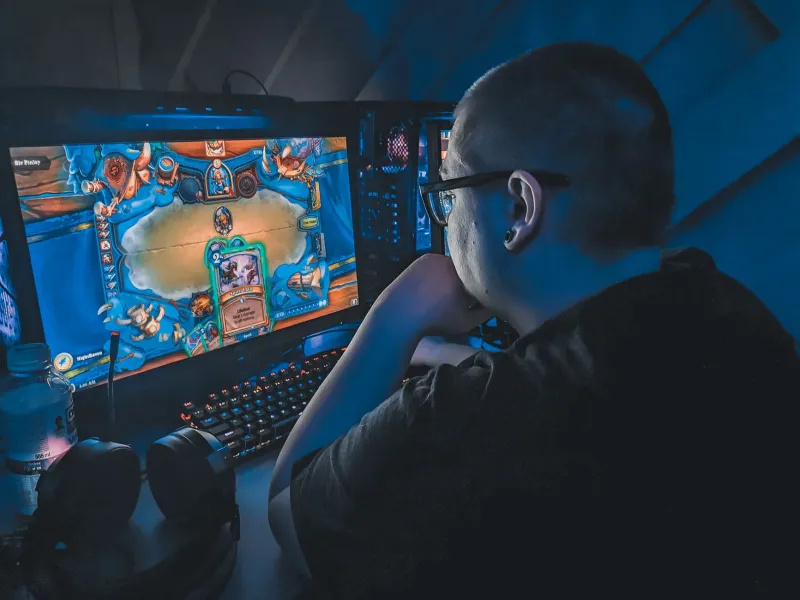
There's a moment every main-character gamer knows. It's 11 PM on a Tuesday, the battle pass ends in six days, you're tier 68 of 100, and you've got work in the morning. You queue up anyway. Not because it's fun — because stopping feels like losing progress on a life you've built.
That's not dedication. That's rent.
We've spent years talking about grind culture in esports, but almost nobody talks about the quiet invoice attached to picking one game and going all-in. Call it the main character tax. And whether your main is a hero shooter, a battle royale, or an MMO that never sleeps, the bill comes due in three currencies: money, friendships, and headspace.
The Subscription You Forgot You Signed
Live-service games are engineered like gyms. They make money off the version of you that swipes in but never shows up.
The math is brutal once you actually run it. A $10 seasonal battle pass sounds fine until you realize you've bought twelve of them and finished four. Add the occasional skin you "had to" grab before the FOMO timer ran out, maybe a DLC drop, and suddenly you're pushing $200 a year on a game you already paid $70 to own.
Here's the kicker: the pass only pays for itself if you play enough. That's not a reward system — it's a leash. The game charges you for the privilege of feeling obligated to it. Compare that to the $50 single-player game you beat in a weekend and never thought about again. One of those respected your time. The other one put it on layaway.
Your Friends List Is a Ghost Town (And So Is Theirs)
Now let's talk social cost, because this one doesn't show up on a receipt.
When your whole crew orbits one game, every hangout is a squad session. That's great — until the meta shifts, the content dries up, or one person burns out, and the whole friend group discovers you have nothing to talk about that isn't patch notes.
Ask anyone who's been through it: when a live-service game dies, the funerals are crowded and the afterlife is silent. The Discord goes quiet in a way that feels personal, even though it never was. The game was the friendship's infrastructure, and nobody noticed until the servers of a different kind — the social ones — went down.
We Checked In With the Quitters
We reached out to three players who stepped away from their mains for at least a year. Their stories rhyme in uncomfortable ways.
Marcus, 26, a former Valorant grinder from Ohio, told us the first month felt like detox. "I kept opening the launcher on autopilot. Then I played a single-player game for the first time in three years and remembered games could just... end. It was wild finishing something."
Priya, 31, left Final Fantasy XIV after six years. Her verdict is more complicated. "I miss the community, genuinely. But I don't miss planning my week around raid nights. I got my Saturdays back and I found out which friendships survived without a duty finder."
And Devon, 22, a former Apex addict, put it plainest: "I thought quitting would make me worse at games. I'm better now. Turns out eight years of one map pool made me worse at everything else."
That last point deserves a moment. Specialization is real — maining does make you elite at one thing. But the skills don't transfer as cleanly as we tell ourselves, and the ceiling on enjoyment gets lower every season. When your entire hobby is one game, a bad patch note ruins your whole month. That's a fragile way to have fun.
What You Actually Get Back
The quitters we spoke to reported a suspiciously consistent list of gains: finished games. Revived group chats. Money that stayed in their checking accounts. And, most common of all, a weird sense of relief when a new game launched and they could just... try it. No sunk cost, no pass to abandon, no guilt.
The losses were real too. Muscle memory. In-jokes. A ranked badge that meant something to them even if it meant nothing to anyone else. Nobody's saying your main is a scam. Some of the best communities in gaming live inside single games, and there's nothing wrong with depth over breadth.
The problem isn't having a main. It's when the main starts having you.
A Quick Audit Before Next Season
If any of this stings, run a simple check before the next battle pass drops:
- Count your unfinished passes. Multiply by $10. Sit with that number.
- Look at your friends list. How many people could you call if the game shut down tomorrow?
- Name three games you finished this year. If the answer is zero, that's data.
- Ask what you'd play if FOMO didn't exist. If nothing comes to mind, the game picked you — not the other way around.
None of this means you have to break up with your main. It just means you should be dating it on purpose, not staying out of inertia and a half-finished pass.
The main character tax is real. The good news? Unlike most taxes, you can actually opt out — and the refund comes in time, money, and friends you can talk to about literally anything.
Even patch notes. But like, as a treat.


