Tilt Is a Skill Issue Now: Why Gen Z Gamers Are Training Their Nervous Systems Like Pros

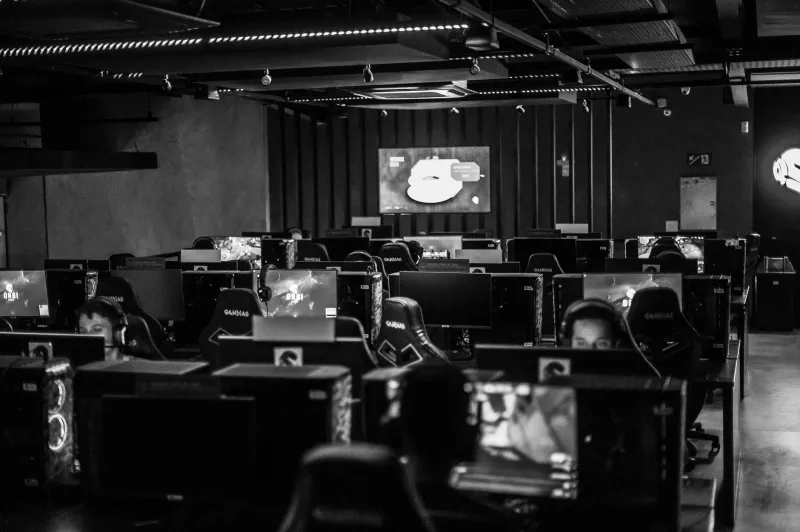
Photo by Photo by Tarn Nguyen on Unsplash on Unsplash
There was a time when losing three ranked games in a row meant one thing: queue up again, angrier, and hope the universe repaid the debt. That era is dying, and honestly? Good riddance.
Scroll through any gaming Discord or TikTok feed right now and you'll see something weird happening. Gamers are talking about box breathing. They're posting their post-loss walk routines. There's a whole economy of grip-strength toys, fidget gadgets, and meditation apps marketed directly at people who just got flamed in Silver elo.
Tilt used to be a joke. Now it's a training problem.
The Moment Tilt Became a Performance Metric
It makes sense when you think about where the influence comes from. Esports orgs have treated mental performance like a real competitive edge for years — coaches, sports psychologists, sleep schedules, the whole package. When your favorite pro openly talks about working with a performance coach after choking in playoffs, the message trickles down fast.
Streamers accelerated it. Watch almost any big variety streamer after a brutal loss and you'll see the new ritual: stand up, stretch, sip water, maybe step outside for ninety seconds before re-queueing. Some of it is content. A lot of it is genuine self-preservation, because these people play eight hours a day and raw rage is a terrible long-term business strategy.
The result is that a generation raised on "get good" started asking a different question: what if the getting-good includes the mental side?
The De-Stress Toolkit, Ranked by How Normal It's Become
Walk it off — literally. The post-queue walk break is the single most mainstream tilt intervention out there. One bad loss in a competitive shooter, and instead of slamming another queue button, you lap the apartment. It sounds silly until you notice you stop carrying the last round's mistakes into the next one.
Breathing apps. Yeah, the same stuff your HR department pushes. Box breathing, physiological sighs, four-count inhales — gamers are using them between matches because they work in about two minutes, which conveniently fits into a queue timer.
Grip toys and fidget gear. Part stress relief, part desk accessory, entirely everywhere. Whether it actually lowers your heart rate or just gives your hands something to do while you resist the rematch button, the ritual matters as much as the physiology.
The mute-and-move philosophy. Less a product, more a mindset shift: muting chat by default isn't "soft" anymore, it's just good hygiene, like washing your hands after a subway ride.
Why This Generation Actually Bought In
Older gamers might roll their eyes, but Gen Z grew up with therapy-speak as a normal part of the internet. Mental health isn't a taboo topic in their group chats — it's a Tuesday. So when someone frames tilt management as "optimizing your performance," it doesn't feel like therapy. It feels like aim training for your nervous system.
There's also a practical reality: the games themselves are more stressful than ever. Competitive matchmaking is engineered to keep you at a roughly 50% win rate, which means every session is a knife fight. Battle passes add daily pressure. Add it up and the modern ranked grind is basically a part-time job with a hostile coworker in voice chat.
Treating that stress like an athletic problem — recover, reset, go again — is just rational.
The Line Between Wellness and Content
Not everything in this wave is pure. Some of the "de-stress ritual" content is aesthetic first, function second — a pretty water bottle and a sunrise walk filmed for the algorithm doesn't fix your mechanics. And there's a fair critique that the wellness industry will happily sell gamers a $40 fidget widget that solves nothing.
But the core idea holds up better than the cynics think. The players who last in competitive scenes — amateur or pro — are almost always the ones who stopped letting one bad game become five. Rage queueing is a stat killer and a vibe killer. Everyone secretly knows it.
So the next time you see a friend close the game after a loss and announce they're "taking a reset lap," don't laugh. That might be the most competitive thing they do all night.
The grind isn't going anywhere. Learning to survive it might be the real ranked climb.